
When Governor Landry stood up in early 2025 and announced 19 sites across 16 parishes receiving a combined $140 million in state infrastructure investment, most of the headlines focused on the politics. I focused on something else: what happens to private industrial real estate demand when the state starts removing the friction that slows down site selection decisions.
The answer, if you've watched this corridor long enough, is that it accelerates everything, and the companies that need space now don't wait for state-funded sites to finish their infrastructure buildout. They need a yard, a warehouse, or a covered facility today. That's the dynamic FastSites creates, and it's worth understanding if you're a plant manager, logistics director, or investor operating anywhere along Louisiana's petrochemical corridor.
What FastSites Actually Does and Why the Structure Matters
Act 365 of the 2025 Regular Legislative Session created the $150 million Site Investment and Infrastructure Improvement Fund. This isn't a grant program. It's a revolving capital structure, meaning the state deploys capital into site infrastructure, recoups it through land sales, leases, or usage-based repayment mechanisms, and redeploys it into future projects. Officials have stated that 100% of project funds are expected to return to the state within five years.
The funding covers exactly the things that kill deals at the site selection stage: access roads, utility hookups, rail spurs, drainage, land clearing, demolition. For a railroad spur, for example, the state invests upfront and earns a fixed dollar amount per railcar until the investment is recovered. Forgivable loans, performance-based partnerships, and infrastructure investments are all eligible structures depending on the project.
LED Secretary Bourgeois put it plainly: "If utilities, rail, roads or due diligence aren't in place, companies simply move on. FastSites allows us to eliminate those barriers in advance and present Louisiana as truly project-ready."
Governor Landry acknowledged the competitive reality directly. Mississippi and Alabama have each deployed over $120 million in site development programs. Virginia and Ohio have invested even more. Louisiana has been losing projects not because of workforce, not because of tax structure, but because sites weren't ready when site selectors came calling. FastSites is a direct response to that structural disadvantage.
The First Round of Sites and What's Coming Next
The inaugural round advanced 19 sites, including locations like Avondale Global Gateway in Jefferson Parish, Esperanza in St. Charles Parish, England Airpark in Rapides Parish, and several others positioned for advanced manufacturing, logistics and distribution, and energy development. The application period ran from October 30 through December 15, 2025, with projects required to demonstrate measurable returns, leverage private capital, and break ground within nine months of award.
A second round of FastSites funding is expected in the current legislative session. The program is designed to expand its site inventory over time, a self-sustaining pipeline, not a one-time appropriation.
Notably, no sites from Ascension Parish appear in the inaugural round. That's significant for this corridor, and I'll explain why.
What This Means for Industrial Space Demand in the Geismar Corridor
Here's the dynamic that doesn't get discussed enough: state site readiness programs don't reduce demand for private industrial space. They accelerate the pace of new industrial arrivals, and those companies need operational space before their permanent facility is constructed, not after.
A manufacturer that commits to a FastSites location in St. Charles or Iberia Parish still needs laydown yards for equipment staging, covered warehouses for materials and maintenance operations, and flexible industrial space during the 18-to-36-month construction period. That demand lands in the private market, and it lands fast.
Ascension Parish, home to Westlake, Shintech, Dow, CF Industries, BASF, and Albemarle, sits at the center of the corridor these companies want access to. The proximity to barge, rail, and highway infrastructure along the River Road makes Geismar a logical operating base regardless of where a company's permanent site is located. When FastSites pulls more capital projects into Louisiana, the supporting operational demand flows here.
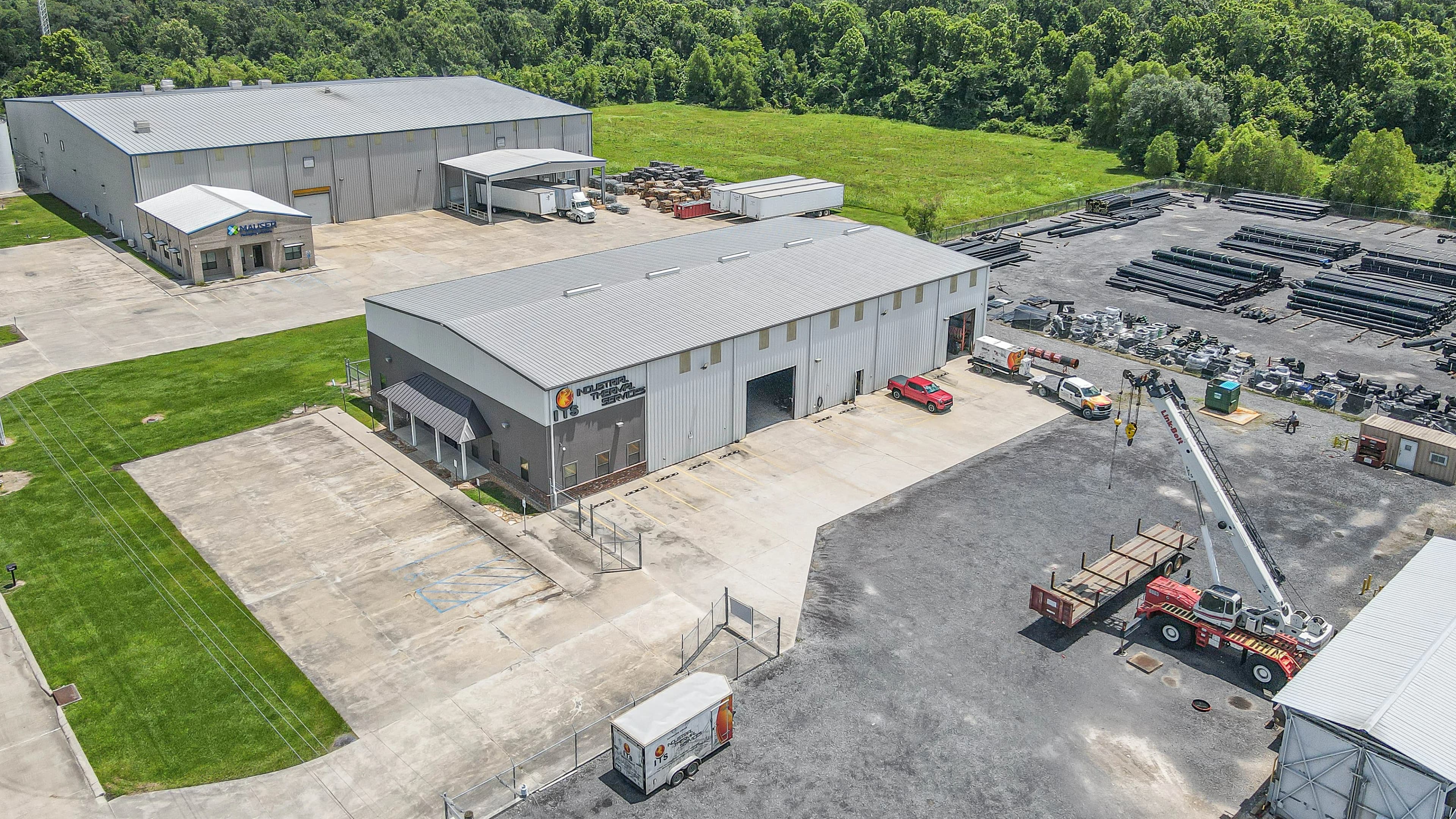
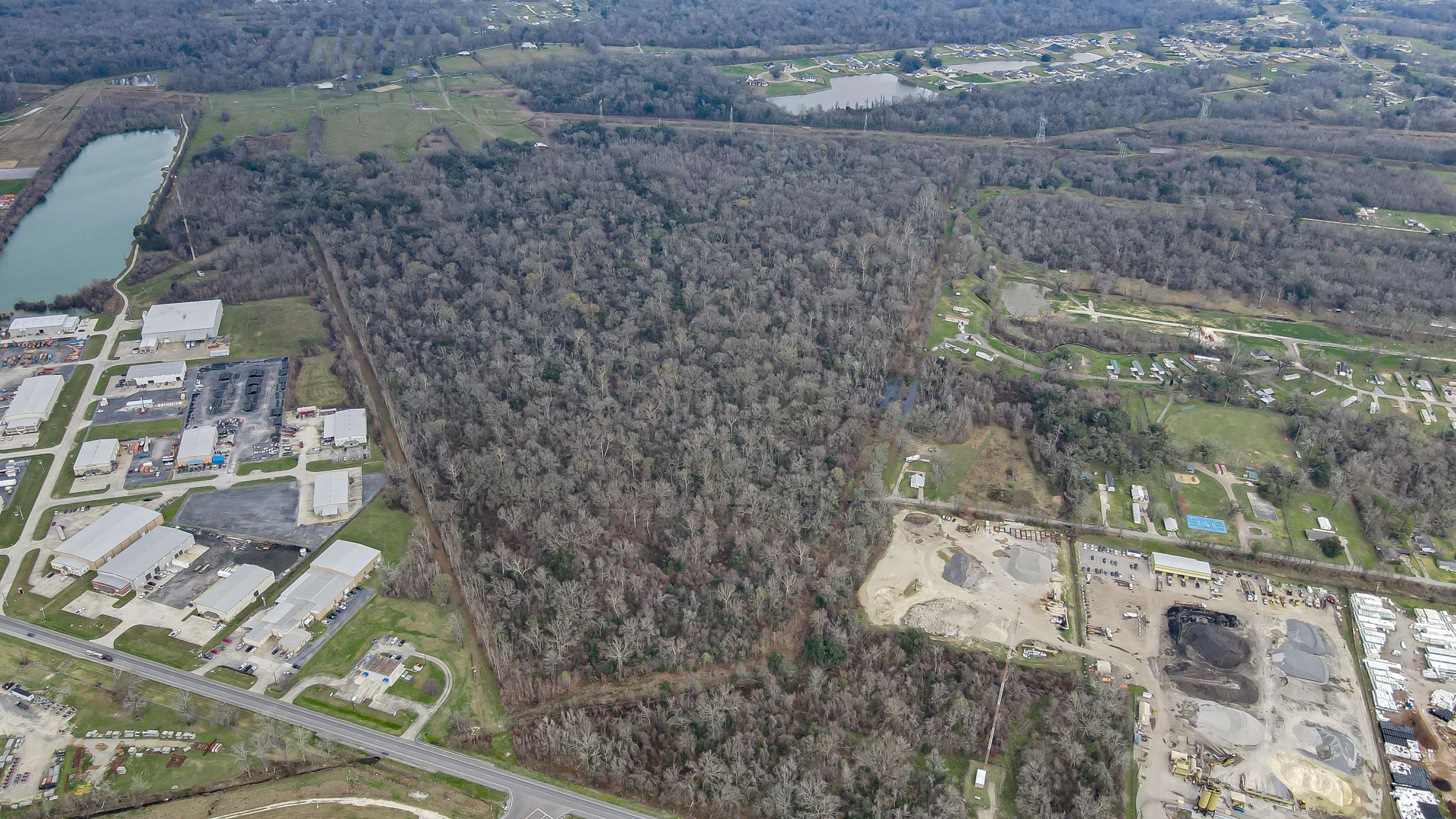
That's exactly the gap private developers have to fill, and why shovel-ready facilities in this corridor carry a premium that will only grow as the state's pipeline of industrial arrivals expands. Talon Industrial's existing portfolio along this corridor, including Copperhead Industrial with 19 buildings and 213,500 square feet, and the Geismar Laydown and Arrowhead Laydown IOS yards totaling nearly 50 combined acres, reflects exactly the kind of inventory that gets absorbed first when a new industrial wave moves into the corridor.
The state is doing the long-cycle work of preparing greenfield sites for billion-dollar investments. The private market has to be ready with the operational infrastructure those investments require on day one.
The Bottom Line for Tenants and Investors
FastSites is a structural shift, not a headline. When LED's Director of Strategic Investments Landon Lemoine says the program is "building a disciplined, long-term asset portfolio," he's describing a sustained increase in Louisiana's industrial deal flow: more projects closing, on faster timelines, with greater certainty.
For plant managers in the Geismar corridor, that means more activity around you: more contractors, more equipment staging, more subcontractor operations needing nearby industrial outdoor storage and covered warehouse space in Ascension Parish. For investors, it means the demand fundamentals supporting industrial lease rates along this corridor are getting a durable boost from state capital strategy, not just commodity cycles.
Availability of industrial warehouse space in Geismar, Louisiana is already tighter than most outsiders realize. FastSites tightens it further. The companies that understand that dynamic now are the ones who will have space locked in when the next wave of capital announcements hits this corridor.
Frequently Asked Questions
Q: Does FastSites directly fund private industrial parks like those in Ascension Parish?
A: Not directly. FastSites targets publicly owned or publicly controlled sites requiring infrastructure investment to become development-ready. Private developers like Talon Industrial operate independently. However, when FastSites accelerates new industrial arrivals to Louisiana, those companies generate immediate demand for privately operated warehouse and IOS yard space in Geismar and the surrounding corridor, the kind of operational space that state-funded sites aren't designed to provide.
Q: How quickly could FastSites-funded sites actually come online?
A: Projects must begin construction within nine months of funding award and are expected to return 100% of invested capital within five years. Even on that timeline, most major manufacturing or energy facilities take 18–36 months from groundbreaking to operations. The operational support space those projects require is needed from day one of construction, not day one of production.
Q: What types of industrial space are most in demand near active capital projects?
A: Industrial outdoor storage, IOS yards for heavy equipment, pipe, and contractor materials, tends to absorb first. Covered warehouse space for maintenance operations, parts storage, and contractor staging follows. Flexible multi-tenant industrial buildings near plant access roads are consistently in demand throughout major construction cycles in the petrochemical corridor.